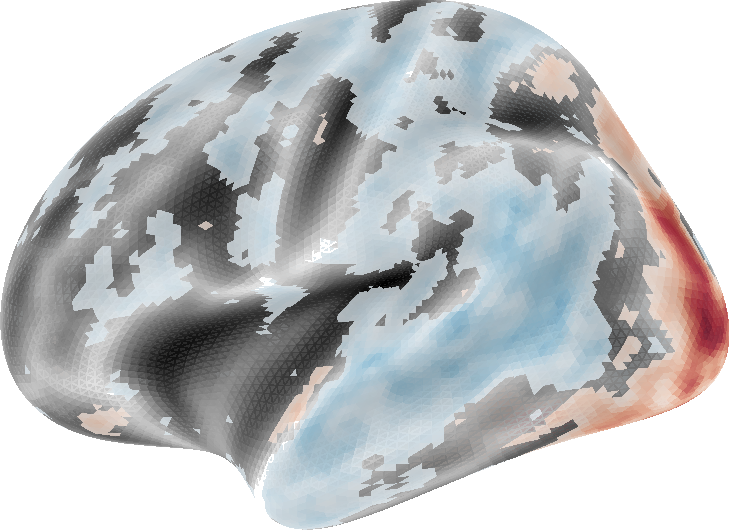
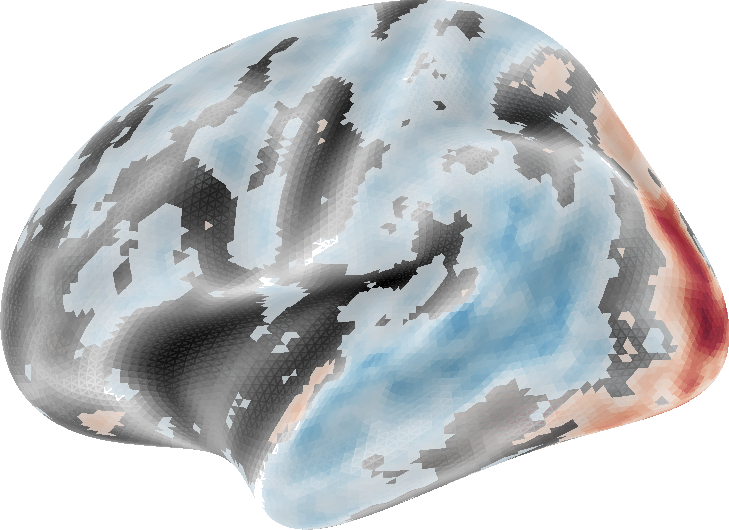
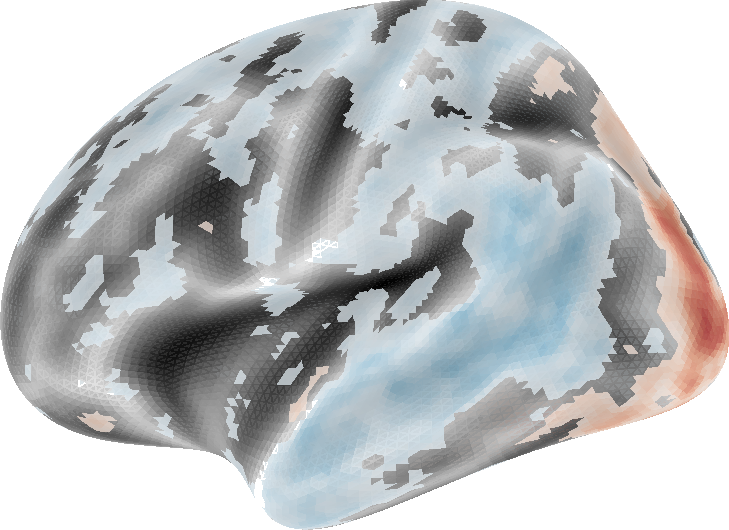
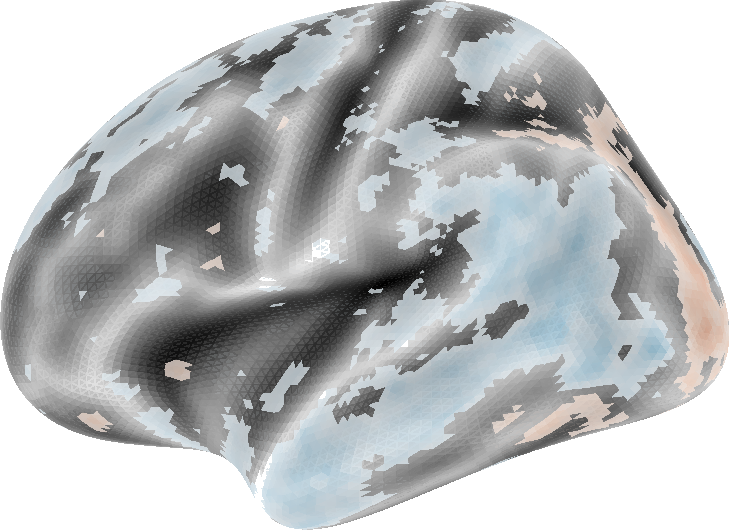
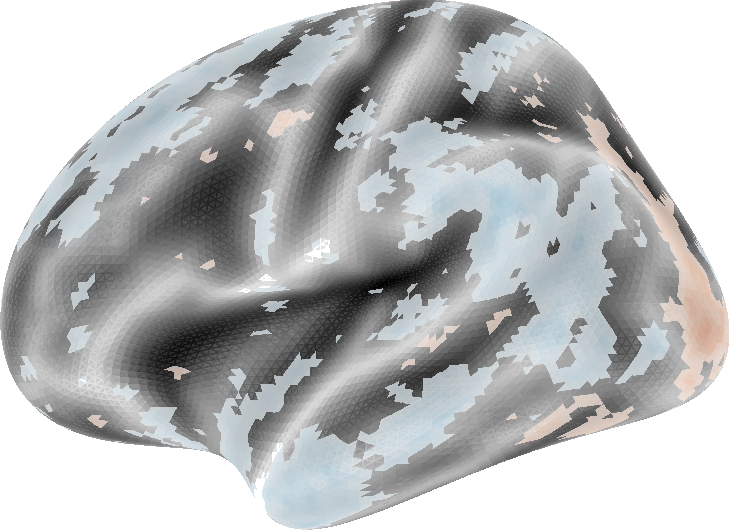
What We Do

Five tools. One question:What does this do to the brain?

Every addBrains product answers a different dimension of that question — before you launch, before you set frequency caps, before you commit production budget.

Product 01

Two versions.One brain. A definitive answer.

[PRICE]per comparison

Every creative team produces multiple versions. The decision between them is almost always made on gut instinct or creative director preference. Neural A/B Comparison replaces that with cortical data.

01
Two independent neural profiles. Both creatives through the full inference pipeline independently. Each receives a complete 7-network analysis — identical to two separate Product 1 or 2 purchases.
02
Head-to-head network comparison. Every network compared directly: which version has higher initial engagement at t=0, which has more durable engagement, which has better cortical hierarchy.
03
The verdict. A single unambiguous recommendation — Version A or B — with specific neural evidence. Not hedged. If profiles are indistinguishable, that is stated.
04
The neural delta. The specific creative element most likely responsible for the performance gap. Closes the loop between neural data and the next creative brief.

Creative directors choosing between layouts before production commitment. Account managers settling creative disputes with data. Media planners activating one version without an in-market split test.

Does not compare more than two versions per purchase. Does not replace in-market A/B testing — it reduces its cost by filtering the weaker variant first.

Run a comparison

Version A

Version B

MetricABΔ
Frontoparietal−0.024−0.012+0.012
Visual cortex−0.062−0.039+0.023
Habituationcliff@t=3flat
◉  Version B wins — superior frontoparietal engagement and delayed habituation
ChannelRating
Story / VerticalOPTIMAL
Social feedSUITABLE
Non-skip pre-rollSUITABLE
Skippable pre-rollSUBOPTIMAL
ProgrammaticSUBOPTIMAL
DOOHNOT RECOMMENDED
Cap: 5× / weekLifespan: 28 daysQuartile: Upper 25%
Product 02

Not just what the brain does.Where to put it. How often. For how long.

[PRICE]per creative

The neural profile tells you what the brain does with your creative. Media Analysis translates that into a complete media brief: which channels are neurologically appropriate, how many times to serve the creative before it stops working, and how many days it stays effective at that frequency.

01
Neural Performance Index. Upper, middle, or lower quartile in the addBrains CEE benchmark. Answers the kill/scale question before a single euro is spent.
02
Media Channel Suitability Matrix. OPTIMAL / SUITABLE / SUBOPTIMAL / NOT RECOMMENDED for every relevant placement type. Social feed, Story/Vertical, pre-roll, programmatic, DOOH, print. Each rating with a one-sentence neural rationale.
03
Frequency Cap Recommendation. A specific number derived from the habituation cliff analysis. Not an industry average — derived from this creative's own neural data.
04
Creative Lifespan Estimate. Days of effective campaign life at the recommended cap. Different creatives get different lifespans.
05
Variant Test Recommendation. One specific A/B test from the neural profile's structural weakness. What to change, what neural outcome to expect, what metric to use.

Media planners building channel strategy before launch. Performance marketers setting frequency caps. CMOs making kill/scale decisions.

Does not guarantee improved performance. Does not replace a media plan. Does not produce CTR or CPC forecasts.

Get a media brief
Product 03

The foundational addBrains report.What happens when the brain sees your image.

[PRICE]per creative

A static image contains simultaneously a product, a price, a brand signal, a colour field, and a typographic hierarchy. The brain processes all of these in the first two seconds. Static Image Analysis tells you which element is driving the evaluative response and exactly when the brain stops responding.

01
7-network temporal profile. Mean z-score, peak value, per-second activation across 5 timesteps. Every value z-scored against a naturalistic video baseline.
02
Dominant network identification. Cognitive-first (frontoparietal) or emotion-first (limbic) processing pathway — and whether that matches your campaign objective.
03
Habituation classification. Cliff-shaped (full encode in a burst, total disengage) or gradual (slower encode, longer sustained engagement).
04
Neural interpretation and strategic implications. Every data point in plain language. Specific recommendations for creative structure, visual hierarchy, media deployment, and one actionable test.

Creative directors validating a layout before production budget is committed. Account managers building a data layer for client presentations.

Does not tell you if your creative is 'good'. Does not process audio. Does not predict clicks or conversions.

Analyse an image

Static Image Report Preview

t=0s

t=1s

t=2s

t=3s

t=4s

NetworkMean (z)t=0
Frontoparietal−0.021−0.006
Default mode−0.023−0.009
Limbic−0.026−0.011
Ventral att.−0.036−0.028
◎  Frontoparietal dominant · Habituation cliff at t=3 · Cap: 5× / week
Frontoparietal-dominant processing confirmed. Habituation follows cliff pattern with suppression onset at t=3s. Recommend Story/Vertical placement with 3×/week cap.
LimbicFrontoparietal
Emotional peak: t=8sDrop-off: t=14sMin. exposure: 9s
Product 04

The exact second your videodelivers its emotional payload.

[PRICE]up to 30 seconds

The limbic system does not peak at the opening frame. It peaks when the story lands. Video Analysis finds that exact second. If your media placement does not give viewers enough time to reach it, you are paying for the setup and wasting the climax.

01
Full temporal arc. One neural prediction per second of runtime, up to 30 timesteps.
02
Emotional peak identification. The precise second at which limbic activation peaks. Every placement decision should guarantee the viewer reaches this moment.
03
Engagement drop-off timestep. The second networks first move below fMRI baseline.
04
Minimum effective exposure length. Seconds a viewer must watch before primary emotional response is delivered. If past the skip point, the creative needs a guaranteed-view placement.
05
Placement format recommendation. Skippable vs non-skippable from the neural data, before you buy the placement.

Video creative directors before production lock. Media planners choosing formats. Brand managers checking whether placement buys enough time for the payload to land.

Does not analyse videos over 30 seconds at standard pricing. Temporal resolution is 1 second — not frame-by-frame.

Analyse a video
Product 05

Every creative has a neurological expiry date.The Forecaster tells you when yours is.

[PRICE]per creative

The industry estimates $47 billion in annual wasted spend from running creatives past their neural lifespan. Every tool detects fatigue after CTR drops. The Neural Fatigue Forecaster identifies the expiry date before the campaign launches.

01
Habituation cliff detection. Cliff-shaped (encodes in a burst, disengages completely) or gradual (steady decay). Cliff location and magnitude determine lifespan.
02
Precise cliff timestep. The exact second of the largest single-step suppression. After this point: zero marginal neural engagement per impression.
03
Frequency cap derivation. Maximum exposures per 7-day window from this creative's habituation rate. Not industry averages.
04
Fatigue driver identification. The specific compositional element most likely accelerating habituation — dual-currency displays, decorative framing, high visual complexity with low network differentiation.
05
Rotation signal. If launched on [date] at [volume], rotate by [date].

Performance marketers managing always-on campaigns. Media planners building rotation schedules. Creative directors who need a brief to extend lifespan without rebuilding.

Does not produce a full 7-network profile. Does not account for audience fatigue independent of creative fatigue. Does not recommend a replacement creative.

Forecast fatigue
Habituation classCLIFF-SHAPED
Cliff att = 3s
Recommended cap3× per 7 days
Estimated lifespan14 days
Fatigue driverDual-currency display

◈  Extension recommendation

Remove secondary currency denomination. Expected outcome: habituation shifts to gradual. Projected lifespan: 24–28 days.

The brain doesn't lie.Your data is waiting.

Upload your first creative and receive a complete neural profile.